Browse our comprehensive product guides and documentation



Summarize with AI











Marketing teams rely on stacked software: CRM tools, automation platforms, analytics suites, scheduling apps, AI content generators, and paid integrations. Each tool promises efficiency. Each vendor promotes predictable monthly pricing. But when finance teams examine the books, a different pattern appears. Costs rise. Budgets slip. Cash flow tightens. And a subtle accounting issue often sits at the center of the problem: the prepaid expense trap.
Marketing subscription models increasingly push annual billing. This shift creates accounting distortions if not managed carefully. It also creates operational blind spots. Teams keep paying for tools long after their usefulness has faded. Below is an in-depth look at how prepaid software costs build up, why they go unnoticed, and how marketing leaders can regain control.
One area where this becomes very visible is in networking and lead capture. Teams often replace multiple disconnected tools with a single solution like Tapni, which centralises digital business cards, contact capture, and CRM handoff, while keeping subscription costs under control.

Most SaaS vendors now offer aggressive discounts for annual commitments. Marketers, under pressure to stretch budgets, often choose the discounted rate. On the surface, it feels like a smart financial move. But prepaid annual billing has two consequences:
Cash leaves the business upfront.
Expense recognition becomes disconnected from usage.
Under accounting rules, software paid in advance must be recorded as prepaid expenses, then amortised over the coverage period. In reality, many teams don’t track amortisation correctly. Some tools go unused for months. Others overlap with new software, doubling cost without doubling value.
Marketing teams often operate separately from finance. This creates a gap between subscription usage and accounting treatment. When left unmanaged, the prepaid model hides waste behind what looks like a budgeting win.
When software is paid annually, psychological inertia kicks in. Teams hesitate to switch tools mid-year because the money is already spent. Even when performance is poor, the sunk-cost fallacy discourages change.
Meanwhile, finance spreads the cost monthly for reporting purposes. Marketing sees a lowered monthly expense line. Leadership sees stable budgets. But cash already left the business months earlier. This mismatch makes forecasting difficult and reduces liquidity.
The worst scenario:
A business prepays for a tool, underutilises it, then buys another, better tool mid-year. Both tools sit in the tech stack. One is unused but still amortising. The other is active and billed monthly.
Multiply this across CRM add-ons, AI subscriptions, automation tools, reporting dashboards, and social schedulers. Costs escalate quietly.
A study by Gartner found that companies waste up to 25% of their SaaS spending due to unused or underutilised subscriptions.
This problem compounds when prepaid expenses hide the true cost.
Several patterns indicate that your marketing tech stack costs more than it should.
Tools with no assigned owner tend to be renewed automatically. No one measures performance. No one questions the renewal.
CRM platforms now include email marketing. Email tools include automations. Automation tools include lead scoring. If your stack has multiple tools with identical capabilities, prepaid commitments keep you locked in.
If CAC is rising but your tech budget is stable, that can signal tool inefficiency. Teams may be using tools out of habit rather than value.
When teams complain about switching screens, juggling logins, or exporting/importing between apps, productivity falls. More tools do not mean more efficiency.
Marketing KPIs depend on timing: CAC, return on ad spend (ROAS), lead quality cycles, and MQL-to-SQL conversion rates. When large tech costs are prepaid, expenses appear smaller on a month-to-month basis. But cash availability drops earlier. This creates misleading KPIs.
For example:
A $9,000 annual platform paid upfront may amortise as $750 per month on the P&L. Marketing sees a moderate cost. Finance sees a clean spread. Leadership sees stable expense lines.
But cash flow took the full $9,000 hit immediately. If several tools do this, liquidity shrinks. That can reduce campaign budgets, delay hires, or force short-term cost cuts. Ultimately, marketing performance suffers even though “monthly expenses” appear normal.

To avoid the prepaid trap, marketing and finance must review tools systematically.
Catalogue all subscriptions.
Include annual, monthly, hybrid, and usage-based billing.
Map tools to workflows.
Identify essential tools versus redundant ones.
Assign ownership.
Every platform needs a responsible team member.
Measure usage frequency and feature adoption.
A tool used once a month may not justify annual spend.
Reconcile prepaid expenses to actual performance periods.
Verify whether the amortisation schedule matches genuine usage.
Test alternatives before renewal windows.
This prevents rolling contracts and automatic annual billing.
Align contract lengths with business needs.
Short-term projects rarely need long-term subscriptions.
Teams that follow this framework see clearer financial reporting and improved tool efficiency.
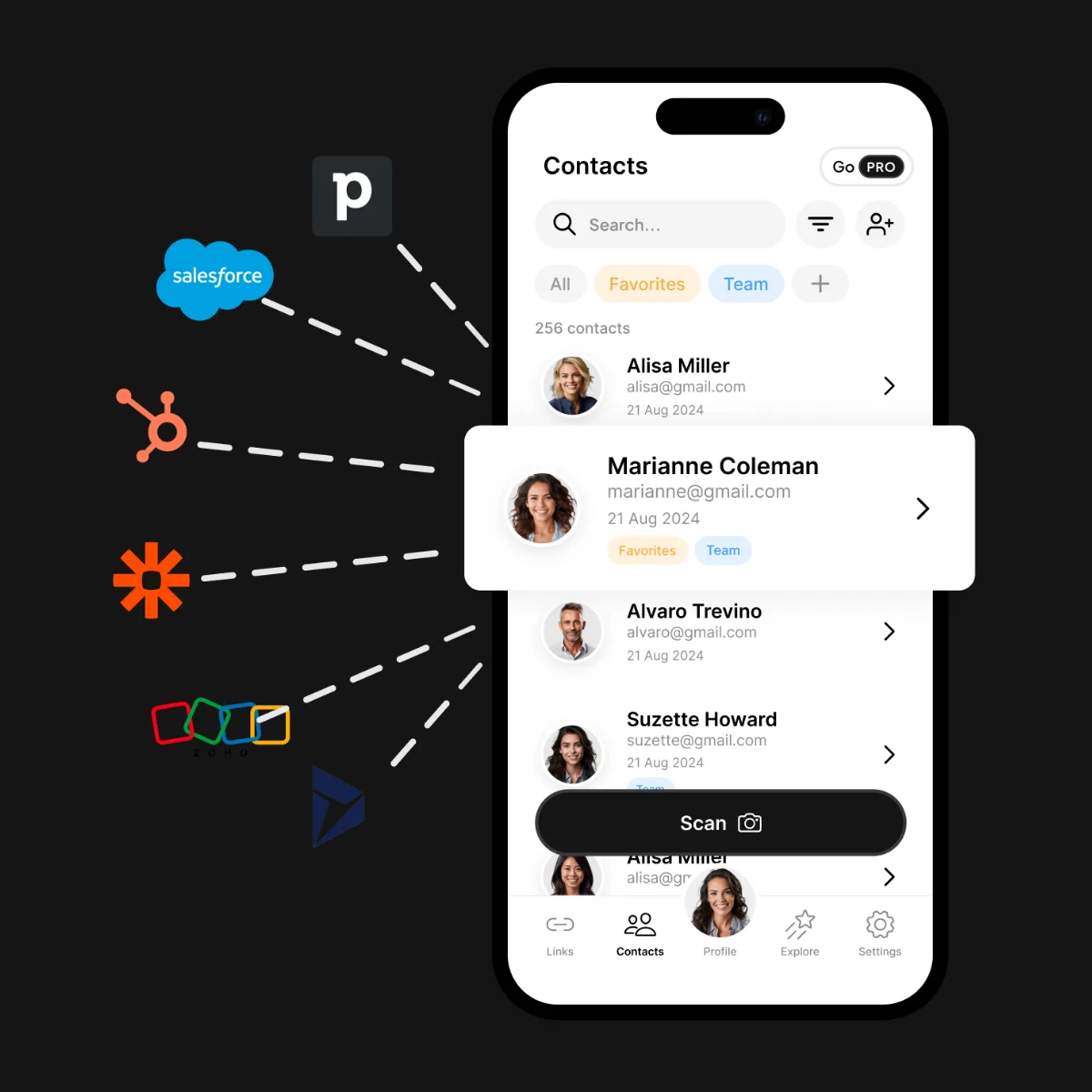
In practice, this often means consolidating tools around key workflows. For example, instead of using separate apps for business cards, event lead capture, and manual CSV uploads to the CRM, teams move to Tapni to manage all their networking and lead capture in one place. That way, they pay for one platform, not three overlapping subscriptions.
Prepaid tools aren’t always a bad idea. Annual billing works when:
The tool is core to your marketing workflow.
The team uses the majority of available features.
Switching costs are high.
The discount significantly outweighs flexibility loss.
Usage patterns are stable across campaigns and seasons.
But these criteria must be verified annually. Business needs change. Teams change. Tools evolve.
Marketing teams risk losing budget flexibility. Finance teams struggle with forecasting. Leadership loses visibility into real operational cost. And because many SaaS vendors auto-renew, unnoticed contracts can continue draining cash year after year.
This isn’t just a financial issue. It’s a strategic one. A cluttered tech stack slows decision-making and affects campaign velocity. Productivity drops. Innovation stalls.
The cost is measured not only in pounds but in lost execution speed.
Your marketing tech stack may be costing far more than it appears. Prepaid annual billing hides waste, distorts expense timing, and creates operational blind spots. The solution isn’t to avoid subscriptions but to manage them deliberately. Align usage with cost. Review commitments before renewal. And build a clear process around prepaid expenses.
With the right oversight, your marketing team can run a leaner, faster, and more financially accurate tech environment. One where tools serve strategy rather than drain resources.
If you’re currently reviewing your stack, start with the tools closest to your customer: CRM, automation, and how you capture leads in the first place. This is exactly where Tapni fits in - turning offline interactions into trackable, CRM-ready contacts, without adding another bloated subscription to your tech stack.