Browse our comprehensive product guides and documentation



Summarize with AI









The way we buy things has fundamentally changed. If you think about your online habits, wouldn’t you want your shopping to be instant, effortless and an experience tailored just for you?
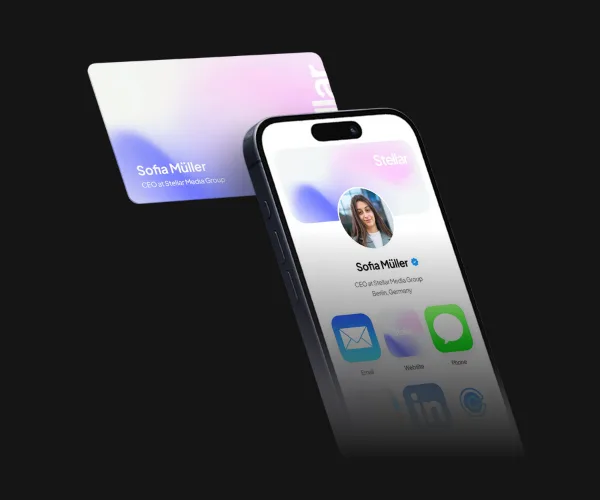
Brands are also simplifying how customers access key info instantly - like profiles, menus, or product pages - using tap-to-connect experiences (e.g., NFC).
Let’s get a reality check, in 2026, these expectations aren't a bonus, they are the bare minimum.
One simple way to personalize the journey is a tap-enabled landing page that changes based on the customer’s use case (events, sales meetings, support follow-ups).
The brands that will truly thrive in the coming years are those that stop viewing customers as transactions and start treating them as valuable, long-term relationships.
This is why powerful customer engagement tactics have become one of the most important growth metrics for businesses. When a brand actively focuses on superior engagement, they don't just see happier shoppers; they see measurable success in retention rates and overall customer lifetime value.
The following eight customer engagement strategies are what top brands are prioritizing right now to stay ahead in this digital-first world.
If a brand sends you an email recommending a product you just bought last week, that's poor personalization. Hyper-personalization is the opposite. It’s about using real-time behavioral data to essentially read your mind.
In 2026, this means going beyond simply using your name. It involves using deep insights, like your past browsing history, the color you looked at most often, and your typical purchase size, to tailor every interaction.
This is a core customer experience trend. For instance, instead of seeing a generic homepage, you see dynamic content that changes based on your interests or the specific ad you clicked. When a brand gets this right, the journey feels seamless, relevant, and almost magical.
The Tech Behind It: To achieve this depth, top brands are consolidating scattered data into Customer Data Platforms (CDPs). But data alone isn’t enough. Ecommerce personalization software is what turns customer data into real-time experiences that feel seamless and personal. This allows them to see one single, complete picture of you, ensuring your journey is always consistent and contextualized.
No one has the patience to wait 48 hours for an email response anymore. If a customer has a question, they expect an answer now. This intense focus on speed and efficiency is driving the adoption of advanced AI in support, making it play a key role in this standard customer support service.
24/7/365 Service: The most immediate impact comes from Conversational AI (advanced chatbots and AI assistants) that can handle the majority of common queries instantly. They are the 24/7 first line of defense, efficiently resolving issues like tracking an order or adjusting an account setting.
Intelligent Routing: Beyond basic answers, modern AI can instantly detect the sentiment or mood of the customer. If the AI detects frustration, it immediately routes the conversation to a human agent, providing the human with the full transcript and context.
This combination ensures both speed (through automation) and empathy (by knowing when to bring in a human expert). It’s a powerful approach to improving overall customer retention strategies by solving problems before they cause frustration.
In 2026, customers don't just want to talk to the brand; they want to talk with other users. Brands are shifting from being service providers to being community hosts.
These communities, often hosted on platforms like Discord, Slack, or dedicated onsite forums, are much more than just a place for customer support. They foster peer-to-peer support, where loyal customers help beginners, significantly reducing the strain on the official support team. More importantly, they create powerful brand advocacy.
When customers feel a sense of belonging and see themselves as co-owners of the brand’s success, trust deepens. This strong relationship is a critical part of modern customer retention strategies.
The community provides an invaluable feedback loop, giving the company real-time insights into what customers love and what they need next.
Most brands think of packaging as the final step in the buying journey—but in 2026, it’s becoming a powerful engagement tool. B2B and DTC companies are elevating their product and order packaging to create a more memorable, interactive customer experience.
Today’s buyers don’t just want a product; they want the feeling of receiving something designed for them. That’s why more brands are offering real-time customization through tools like label design software and box design software, allowing customers to personalize their packaging before checkout.
This simple shift turns packaging from a cost center into a value driver. Customers spend more time engaging with the brand, feel more connected to their purchase, and are far more likely to return. In an era where loyalty is hard to earn, packaging that customers can interact with—design, modify, and make their own—becomes a subtle but powerful retention strategy.
Video content has moved from being a nice-to-have to being absolutely essential in any modern set of customer engagement strategies. We are not just talking about traditional commercials, but highly interactive formats:
Short-Form Vertical Video: Quick, attention-grabbing clips (think TikTok/Reels style) that explain a product feature, offer a quick tip, or provide a sneak peek behind the scenes. This format excels at maintaining attention in a fast-paced environment.
Live Commerce and Q&As: Hosting live sessions—whether a product demonstration, a Q&A with an expert, or a "behind the scenes" tour—creates an immediate, human connection. Live commerce integrates the sales opportunity directly into the stream, often featuring limited-time offers that drive engagement and prompt instant purchasing decisions.
These highly visual and real-time formats are excellent for communicating brand personality and driving powerful interaction.
In upcoming times, customers will not differentiate between your website, your mobile app, your social media accounts, or your physical store. To them, it's all "the brand." The challenge for companies is achieving omnichannel consistency, which is a significant customer experience trend.
Omnichannel means that the customer’s experience is seamless and continuous across every touchpoint. For example, if a customer starts a product return process on your mobile app but finishes the interaction by calling your customer service number, the human agent should instantly see the full history, including the steps the customer took on the app.
Achieving this requires unifying all customer data and ensuring workflows are perfectly connected across all departments (sales, marketing, and support). When this connection is achieved, the brand appears deeply competent, reliable, and respectful of the customer’s time.
Traditional loyalty programs are where you simply earn points for dollars spent and that are increasingly viewed as basic discounts, not true engagement drivers.
The future of effective customer retention strategies lies in moving toward experiential rewards.
Modern programs aim to make customers feel like insiders. They focus on emotional value over transactional value.
Tiered Privileges: Instead of just points, customers gain early or exclusive access to new products, specialized support channels, or beta testing groups.
Community Privileges: Rewards can include access to exclusive, private online or in-person events, or the opportunity to directly influence future product development. For associations, clubs, nonprofits, and other member-led organizations, digital membership cards can make those perks easier to manage by giving members a simple way to verify status and unlock member-only events or benefits from their phone.
Value Alignment: Some programs allow customers to allocate loyalty earnings toward a charitable cause that aligns with their personal values, deepening the emotional bond with the brand.
These programs elevate the relationship, transforming a consumer into an advocate who feels genuinely valued.
This is arguably the most advanced of all customer engagement strategies. Instead of waiting for a customer to complain or to stop buying, brands are using Machine Learning (ML) and predictive analytics often built by AI development companies, to anticipate future actions., a powerful real time customer support evolution.
Churn Prediction: AI models analyze usage patterns, support ticket frequency, and demographic data to identify customers with a high probability of leaving (churning) before they quit. This automatically triggers a high-value, personalized intervention, such as a check-in call from a success manager or a targeted offer to renew commitment.
Next Best Action (NBA): Predictive models determine what the customer is most likely to need next, serving up the perfect content or product recommendation before the customer searches for it.
By getting ahead of issues and demonstrating that the brand is watching out for the customer's success, proactive engagement builds tremendous trust and significantly reduces service costs over time.
The shift in customer engagement tactics for 2026 is clear: success is no longer about maximizing transactions, but about minimizing friction and maximizing human relevance at scale.
The eight tactics we've outlined, from deep personalization and real-time support to strong community building and proactive insights, all rely on two key pillars: smart technology and genuine customer centricity.
Brands that commit to this interconnected approach, ensuring a truly seamless and valuable experience, will do more than just grow.
They will create a moat of long-term loyalty, ensuring they capture the repeat business and strong word-of-mouth that defines market leadership.