Browse our comprehensive product guides and documentation



Summarize with AI








Your ability to engage and convert new customers hugely depends on how you position your brand. More specifically, it is directly related to your business’s reputation.
Trust, credibility, competence, customer-centricity — all of these brand characteristics drive sales. And not just in obvious ways, like consumers wanting to ensure they’re investing their hard-earned money in high-quality solutions.
Research shows that a trustworthy reputation also allows you to charge more for your products (with 87% of people being willing to pay a premium on solutions by brands they trust). Additionally, earning your target audience’s confidence directly contributes to customer loyalty, which is a key factor in achieving long-term business success.
So, how do you build a conversion-focused branding strategy? One way to do it is to boost trust. This guide will cover some of the best tactics for doing so, along with examples of brands doing it right (so that you can draw some real-life inspiration from them). Let’s get into it.
One of the most effective branding tactics to help position your company as a competent and trustworthy entity is to be vocal about what makes you the ideal choice for removing customer pain points.
In 2026, expertise is going to be key to boosting trust (and sales). For instance, a survey by ExpertVoice found that 83% of consumers prioritize recommendations from knowledgeable individuals over social media influencers. And 77% American shoppers claim that expertise matters more than ever, seeing as it provides clarity in cluttered markets.
So, knowing that your audience is likely to want to buy from the best, why not use your online presence to show them that might just be you?
For instance, check out how Sewing Parts Online accomplishes this goal on its homepage. This brand simply states that it offers “Expert service. Largest selection. Everything sewing delivered quickly to your door.” To most shoppers, this is already enough to convince them of the brand’s credibility. But when you combine this with the brand’s spotless online reputation (it has a 4.8-star rating with over 400k reviews), it instantly becomes clear that Sewing Parts Online genuinely is a great option for solving sewing-related pain points.
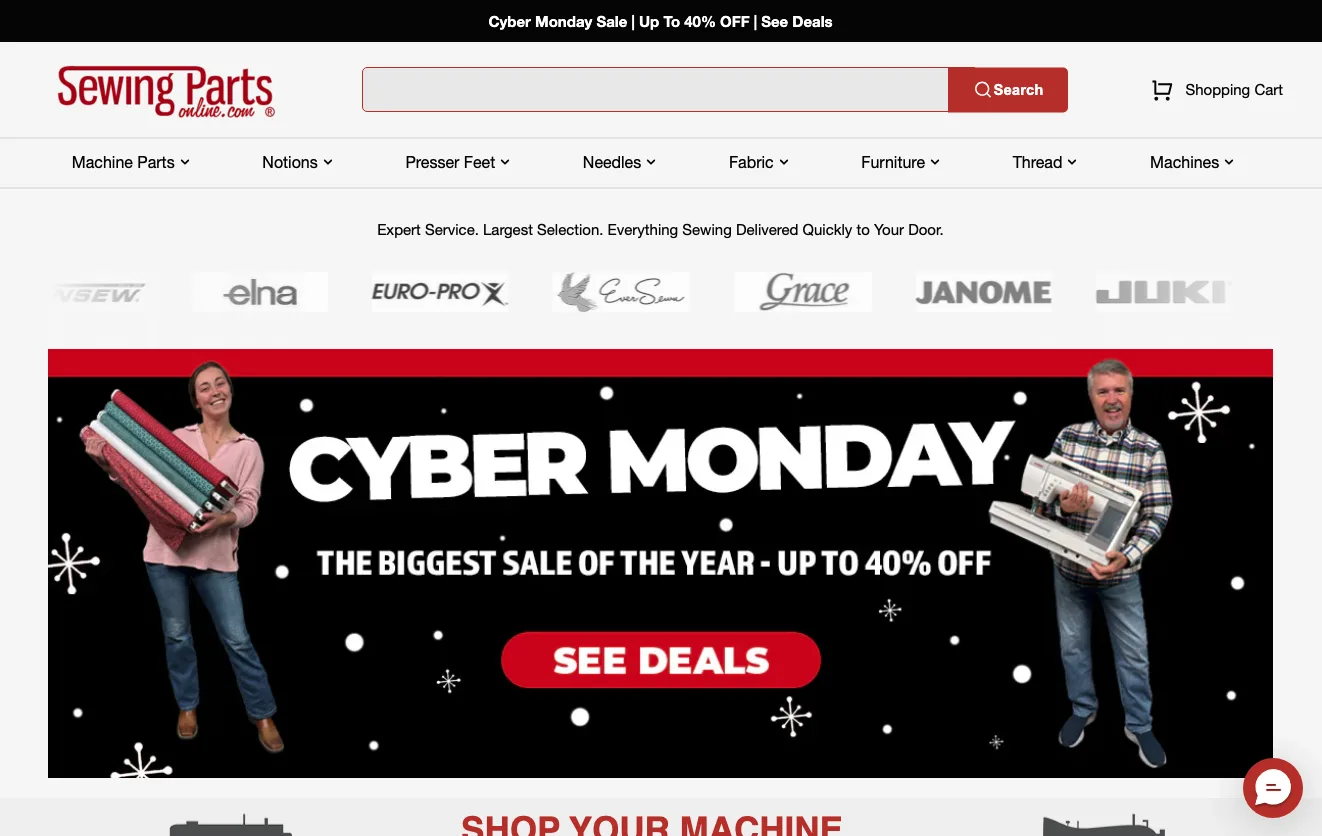
Source: sewingpartsonline.com
One of the things to keep in mind when aiming to earn consumer trust and boost sales is that most shoppers don’t take brand claims at face value. This is particularly true for ESG claims, with 88% of young shoppers saying that they don’t trust businesses that make such statements.
So, if you’re looking at branding tips that will help you elevate trust, it’s rather important that you support your promises with actual social proof. This can include third-party certifications, traditional customer feedback, or even focused case studies. What’s essential is that you position these trust-building elements in highly visible spots, including parts of your website where consumers are most likely to make a buying decision.
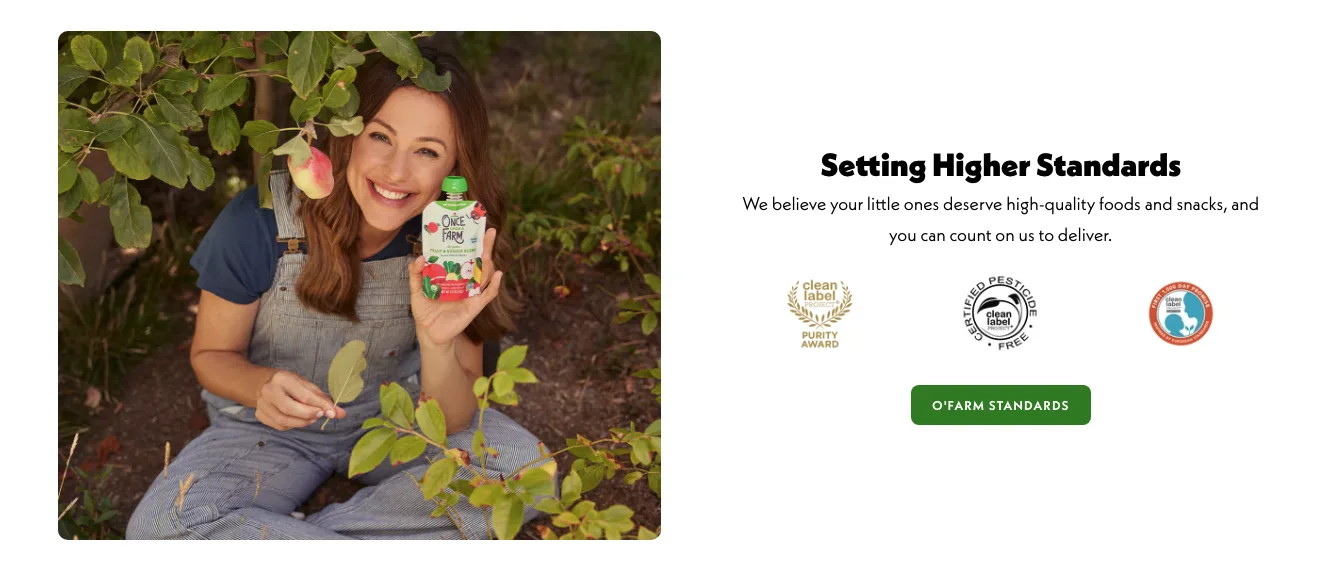
For instance, Once Upon a Farm showcases its certifications on the homepage, knowing that consumers are guaranteed to check for these trust signals when deciding to shop for organic and natural baby food.
Source: onceuponafarmorganics.com
In some cases, the secret to elevating conversion rates via a trustworthy brand reputation isn’t about your ability to earn your target audience’s trust. Instead, it’s about using credibility-based branding tactics to differentiate your business in highly competitive or low-trust markets.
Essentially, convincing customers to invest in your products is difficult — especially if they have numerous similar options. However, if you can emphasize product or brand characteristics that make your brand unique (and particularly those that drive trust and credibility), you can provide your target audience with a strong argument for choosing you over your competitors.
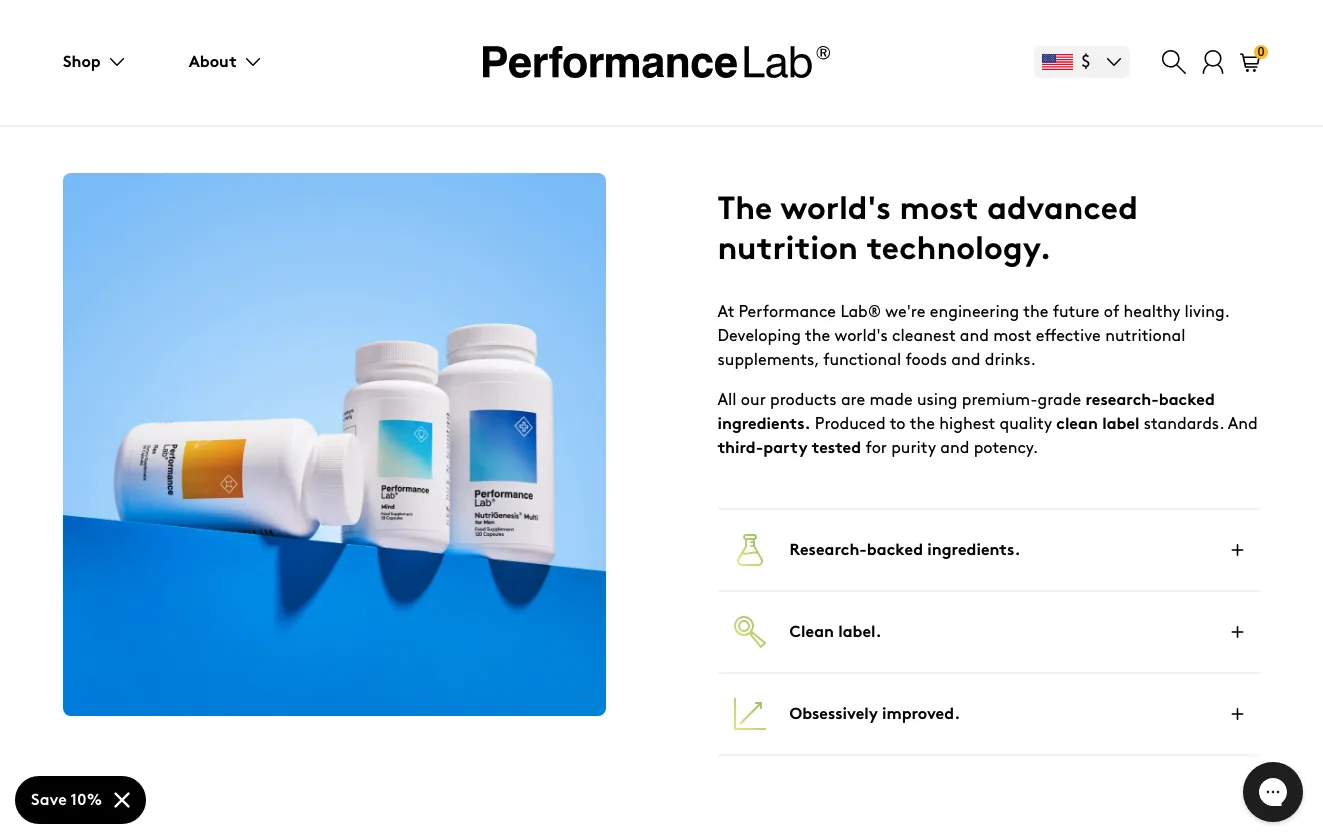
For example, take a look at how Performance Lab achieves this goal on its homepage. Operating in a low-trust industry, this supplement brand knows that it must win over prospects. To ensure that leads have a solid reason for choosing PerformanceLab supplements over similar options, this business emphasizes its premium-grade, research-backed ingredients, clean label standards, and third-party tested ingredients that are pure and dosed effectively.
Source: performancelab.com
Sometimes, your ability to earn customer trust doesn’t come down to the quality or reliability of your solutions. Instead, your audience’s confidence in your brand will depend entirely on how they expect you to treat them.
At the end of the day, customer experience is a crucial selling point. According to PwC, 73% of people consider CX an important factor in their purchase decisions. Many are even willing to pay more for products that come with a superior customer experience.
So, if you want to position your brand as a trustworthy company customers can depend on to deliver next-level CX (and inspire more people to convert), explore opportunities to demonstrate your commitment to customer satisfaction.
The great news is that this can be as elaborate or as simple as you like.
For instance, something as basic as including several handy contact options (24/7 phone support, social media help channels, and even AI chatbots) on your website can be a great way to showcase user-centricity.
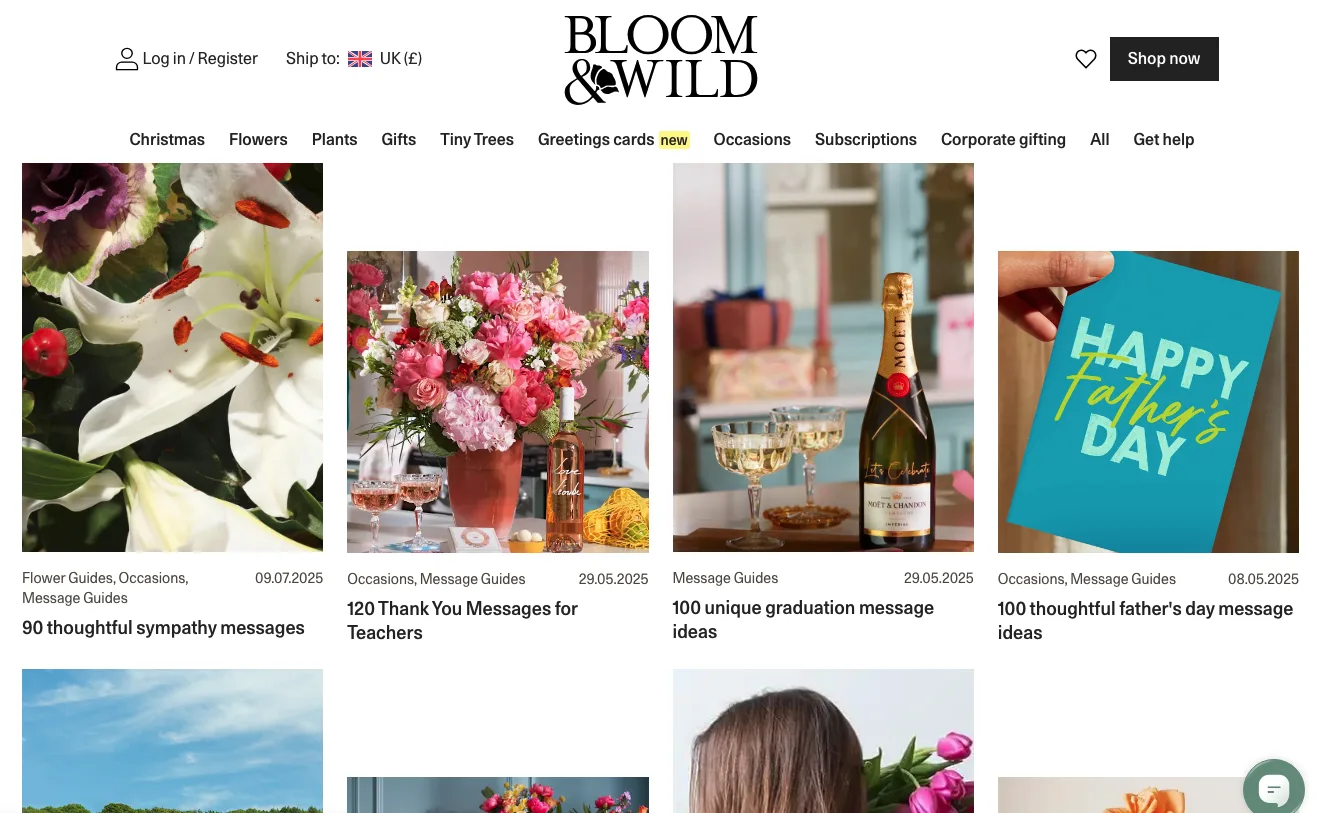
Alternatively, you could also orient your content marketing strategy toward elevating CX. Bloom & Wild, for instance, has a helpful blog on its website where it provides shoppers with inspiration on buying flowers and writing cards. Additionally, its Get Help site section answers shoppers’ most common questions, ensuring they have a pleasant buying experience and are satisfied with their order.
Source: bloomandwild.com
Actions speak louder than words. That’s why building a trustworthy brand reputation depends so much on your commitment to treating customers the best you can.
But let’s face it. Sometimes, you simply have to draw your target audience’s attention to the factors that make your organization truly credible.
The truth about consumers’ purchase decisions is that most people deeply care about what brands stand for. According to recent research data, 88% of US consumers buy from brands whose values align with their own. Fifty-five percent feel more loyalty to these businesses, indicating the true power of value-driven marketing.
So, if you’re trying to earn your audience’s trust (or simply encourage more people to buy your products), it’s worth considering brand-centric content that can elevate your level of authenticity and build stronger relationships with your prospects.
About us pages, mission & values statements, or even brand history outlines can be exceptionally powerful in getting your audience to trust you.
Take a look at how Lo & Sons does this on its website, where it points out that it’s a family-owned business that genuinely cares about the environment, its social impact, and about making customers feel empowered.

Source: loandsons.com
Lastly, as you explore methods to incorporate a strong trust element into your branding strategy, remember that your business’s reputation cannot solely exist online.
Instead, potential customers will form opinions about your organization whenever they interact with it. This means that your branding strategy must remain consistent and trust-oriented throughout all your channels — both online and offline.
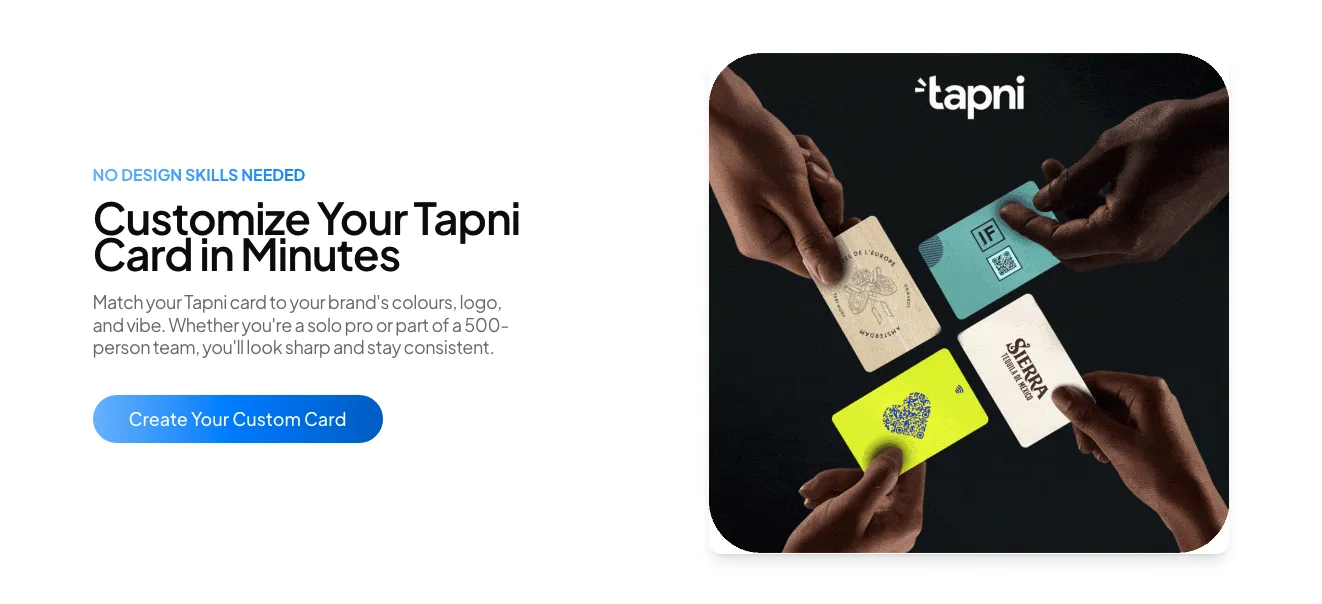
Incorporating Tapni digital business cards into your offline presence doesn’t just allow you to leave an exceptionally positive impression on leads. More importantly, these solutions allow you to sync contacts to your CRM, follow up faster, and begin shaping that trust-driving CX from the first interaction. This helps ensure that your potential customers see you as a dependable and credible entity and are more likely to want to become your customers. What’s more, digital cards are entirely customizable to reflect your visual branding strategy.
Source: tapni.com
Although retaining a trustworthy brand reputation hugely depends on how you treat your customers throughout their buying journey (including the post-purchase stages of the sales cycle), you can take effective steps to maximize your credibility by focusing on branding.
The tactics outlined in this guide are an excellent start toward establishing your brand’s dependable reputation. So give them a try and continue implementing them with consistency. That way, your audience won’t just think that your business is reliable and competent. They’ll know it for certain.