


For independent 3D artists, designers, and digital creators, professional networking is about more than exchanging contact information. It is also an opportunity to demonstrate creative skills, communicate expertise, and make a memorable first impression.
A well-organized digital portfolio helps potential clients, collaborators, and employers understand what a creator can offer. However, building a strong portfolio involves more than collecting finished projects. The way creative work is presented, shared, and maintained can make a significant difference in professional relationships.
As digital networking continues to evolve, creators have more opportunities to connect their portfolios with their professional identities and make their work accessible wherever they meet potential opportunities.
Why a Digital Portfolio Matters for Creative Professionals
Traditional business cards provide basic contact information, but they rarely communicate the full range of a creative professional's abilities.
For a 3D artist, a portfolio can demonstrate modeling techniques, texturing skills, artistic direction, and the ability to develop ideas into finished assets. These details are often more persuasive than a list of job titles or qualifications.
A digital portfolio also offers flexibility. Creators can update projects, replace outdated examples, and organize their work according to different audiences without printing new materials.
This is particularly useful for freelancers and independent designers who regularly meet potential clients through conferences, creative communities, online events, and professional introductions.
Creating Portfolio Content That Stands Out
A portfolio should reflect both technical ability and creative thinking. Instead of presenting dozens of unrelated images, creators can organize their work around clear themes and demonstrate how individual projects were developed.
Show the Process, Not Just the Final Result
A finished 3D model can communicate visual quality, but showing selected stages of its development provides additional context.
Creators might include initial concepts, reference images, modeling stages, material choices, and final renders. This gives viewers a better understanding of the decisions behind the finished work.
It also helps potential clients identify whether an artist's workflow and creative approach match their project requirements.
Use AI Tools to Expand Creative Possibilities
Building a portfolio takes time, particularly when every asset must be created from scratch. AI-assisted 3D generation can help creators explore concepts and develop additional visual material.
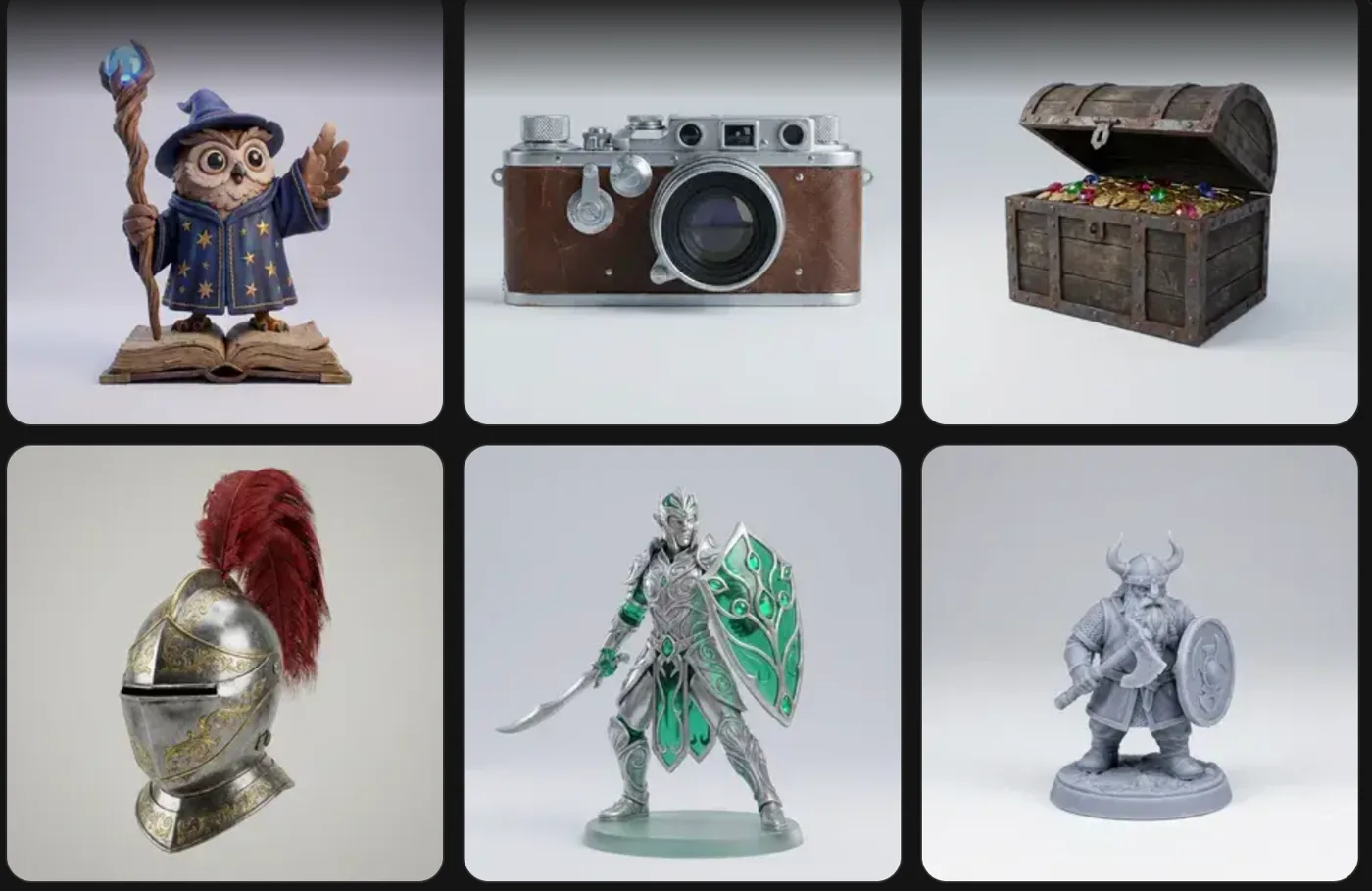
For example, Meshy offers text-to-3D generation, allowing users to turn written descriptions into 3D models. Artists can use this approach to explore visual ideas, create starting assets, and develop concepts that can later be refined through their preferred modeling workflow.
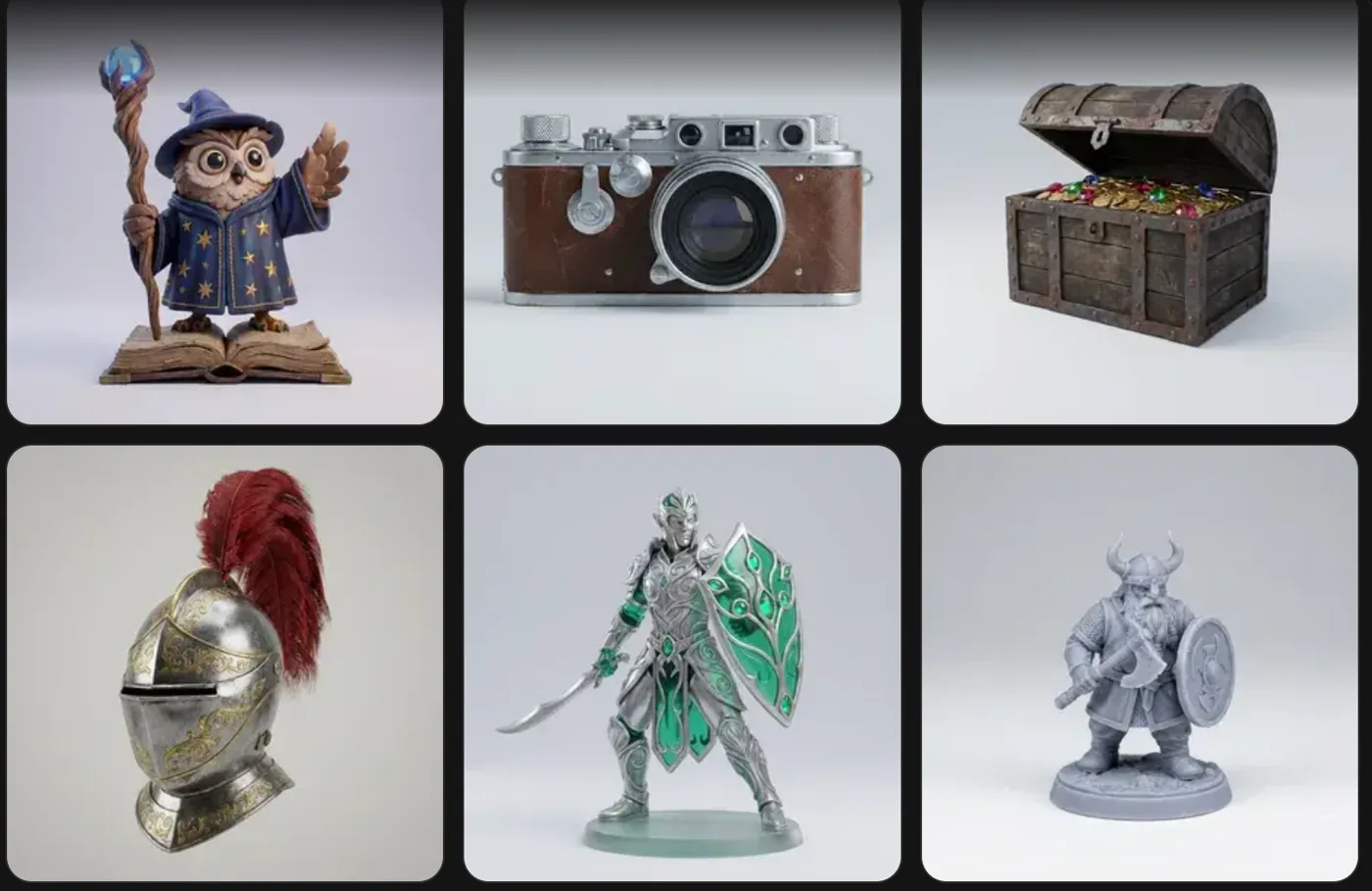
AI-generated content does not replace artistic judgment. Composition, proportions, geometry, textures, and overall consistency still require attention. The strongest portfolios demonstrate how creators use available tools to support their own creative direction.
Make Projects Easy to Explore
A portfolio should not require visitors to navigate complicated folders or download multiple files just to understand an artist's work.
Consider using a combination of high-quality renders, short demonstrations, project descriptions, and interactive 3D previews where appropriate.
File compatibility is another important consideration. The Khronos Group's glTF format provides a standardized way to deliver 3D scenes and models across different applications and platforms, making it useful for web-based 3D experiences.
Connecting a Portfolio to Your Professional Identity
Creating impressive work is only one part of professional visibility. Creators also need a convenient way to share their work when meeting new people.
This is where digital networking tools become useful.
Build a Centralized Digital Profile
Rather than sharing separate links to a portfolio, social media account, and contact information, creators can organize their professional presence around one digital profile.
A centralized profile can include:
- Name and professional introduction
- Portfolio and project links
- Social media and creative community profiles
- Email and business contact information
- Selected achievements or client work
Keeping these details together makes it easier for potential collaborators to understand who they are connecting with.
Share Your Work During In-Person Networking
Creative conferences, design exhibitions, industry meetups, and business events offer valuable opportunities to meet potential clients and collaborators.
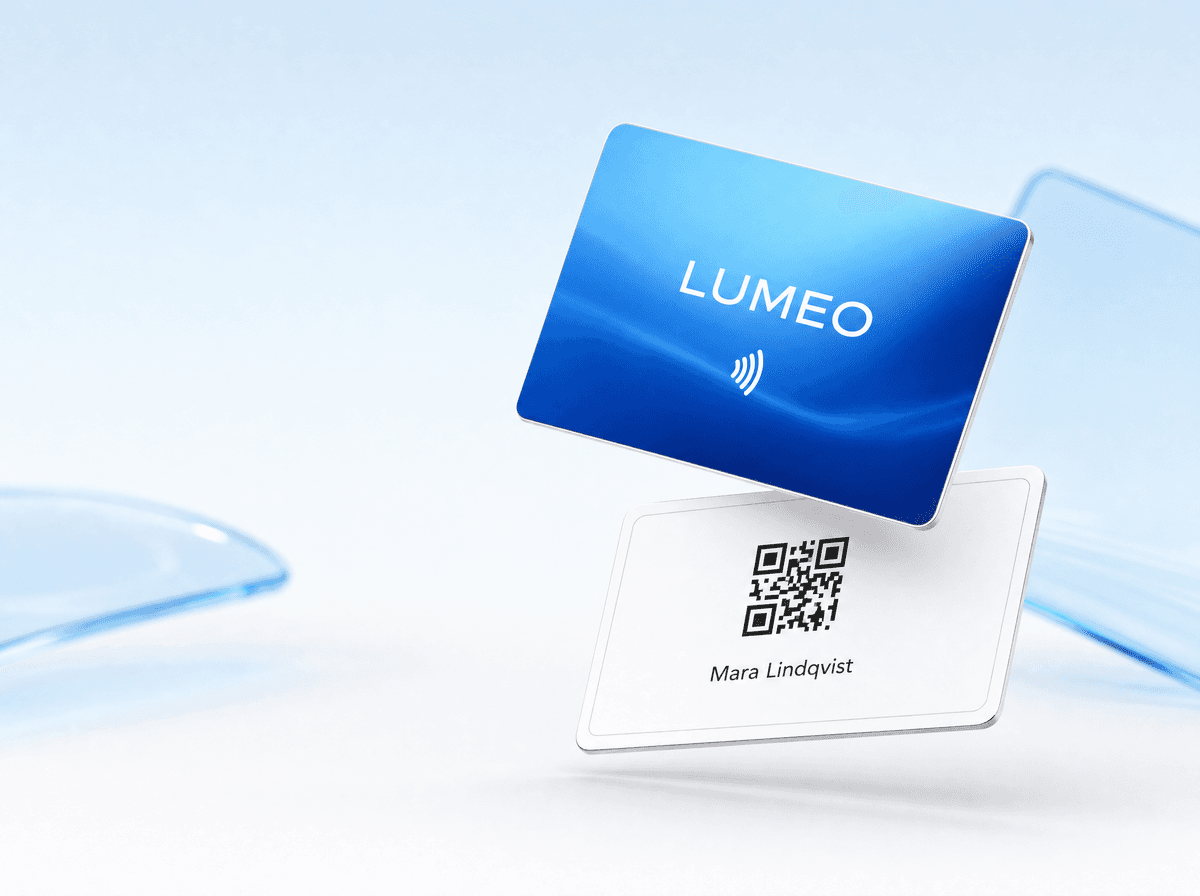
Digital business cards make these interactions more convenient. With an NFC-enabled card or QR code, creators can share their digital profiles without relying on printed materials.
Platforms such as Tapni allow users to share contact details and links through NFC products, QR codes, and digital profiles. This makes it easier to connect a brief in-person introduction with a more complete online portfolio.
Keep Contact Information Updated
Networking does not end when an event finishes. Following up with new connections is often where professional relationships begin.
Creators should keep their contact details, portfolio links, and professional profiles current. Adding relevant project information or a short introduction to a follow-up message can also help the other person remember the original conversation.
Turning Digital Connections into Professional Opportunities
A strong digital presence combines three elements: quality creative work, accessible portfolio presentation, and convenient communication.
For 3D artists, AI-assisted creation tools can help expand the range of projects they develop. A well-organized portfolio makes those projects easier to evaluate, while digital networking tools make it simpler to share them with the right people.
These elements work best when they support one another. A digital business card should lead to a portfolio that reflects the creator's actual capabilities, and the portfolio should provide clear ways to start a professional conversation.
Ultimately, building a recognizable professional identity is an ongoing process. By consistently presenting new work, maintaining accessible contact information, and making meaningful connections, creative professionals can turn their digital presence into a valuable part of their career development.
Frequently Asked Questions
What should a 3D artist include in a digital portfolio?
A strong portfolio should include selected finished projects, high-quality renders, examples of the creative process, relevant technical skills, and clear contact information.
Can AI tools help 3D artists build their portfolios?
Yes. AI-assisted 3D tools can help creators explore concepts and generate initial assets. Artists can then refine the results and incorporate suitable work into their portfolios.
How can creative professionals share their portfolios at networking events?
They can use digital business cards, NFC cards, QR codes, or shareable profile links to give new contacts convenient access to their work and contact information.