Browse our comprehensive product guides and documentation



Summarize with AI










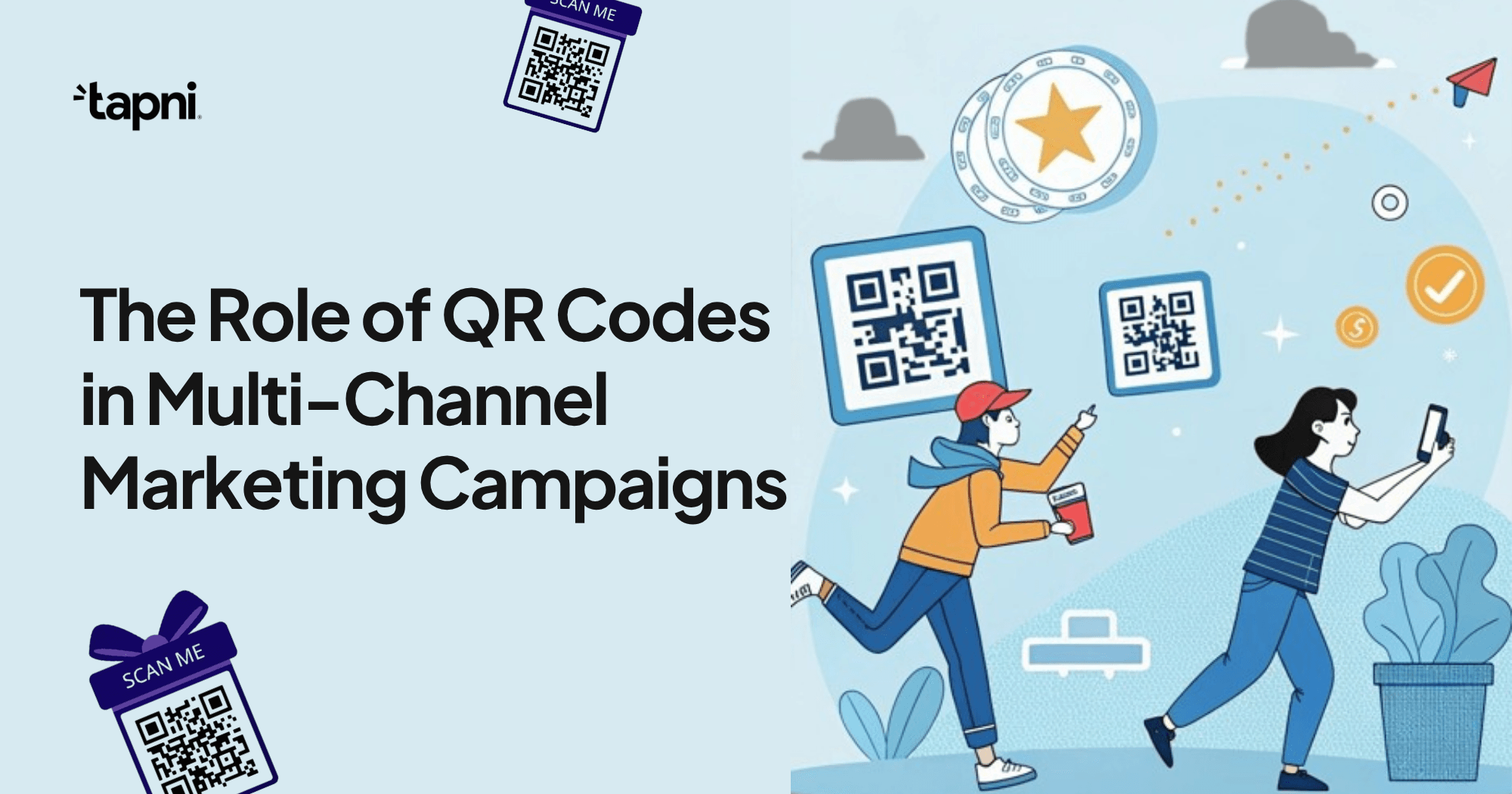
If you want a simple but powerful way to connect both your online and offline marketing efforts, look no further: QR codes can be the missing piece you need in your multichannel marketing strategy.
These small, scannable codes make it pretty much effortless for customers to move from a physical experience – like a printed ad or product packaging – straight to a digital destination, where they have a whole other range of actions they can take.
Your goals can vary: you might want to drive website traffic, increase engagement, or enhance customer experience. QR codes offer a seamless way to do it.
In this article, we explore how you can use QR codes creatively in your marketing campaigns to maximize reach and conversions.
When you’re directing a multi-channel marketing strategy, it’s all about finding the audience and meeting them where they are: in-store, on social media, or in their inbox. QR codes are a no-brain, because they come as a critical bridge between these two worlds.
Your customers can interact with your brand a lot more easily if you have these in the right places. Think about it: putting a QR code on a product package which then leads to a video tutorial, or using one in a print magazine to drive traffic to an exclusive online discount.
The fewer steps customers have to take, the more likely they are to engage.
Here’s why QR codes are essential in multi-channel marketing:
They make the user journey easier – as highlighted above, thanks to QR codes, your customers can go from the physical to the digital with a single step in between. All it takes is them opening up the camera app on their smartphone.
They’re trackable and provide valuable information – marketers can analyze scan rates, user behavior, and engagement metrics to measure campaign success thanks to these codes.
They enhance the customer experience – QR codes simplify access to additional content, exclusive deals, or quick transactions.
To make sure you get the most out of QR codes, follow these best practices:
Ensure mobile-friendliness – this one should go without saying: make sure the landing page for your QR’s link is optimized for mobile phones.
Provide a clear call to action – let users know what they’ll get by scanning the code (e.g., “Scan to watch a demo” instead of just placing a code with no context). Clear messaging builds trust, especially as more users become aware of online privacy issues like phishing or what a VPN app is.
Keep URLs short – shorter URLs result in simpler QR codes, making them easier to scan.
Use tracking and analytics – platforms like Google Analytics can track scans, helping you measure effectiveness and improve future campaigns.
Test before launching – always scan your QR codes yourself to ensure they work properly on different devices. If possible, find a way to scan the code with different phones.
QR codes are super versatile; they can be integrated into almost any marketing channel. Let’s explore how to use them to their fullest potential:
Billboards, posters, and flyers often have limited space for detailed information. A QR code can act as a gateway to more content such as a landing page, a promotional video, or an event registration form so that people can know more about your brand or specific products.
For example, a fashion brand could place QR codes on posters in shopping malls, linking to a limited-time online sale, or a virtual fashion show. Some brands even use QR codes in store windows to let passersby instantly browse out-of-stock sizes or colour options online.
Oftentimes, consumers simply want to have more information before buying certain products. If you add a QR code to the packaging or the in-store displays, they could have access to virtually anything they want: from user manuals, to details, to customer reviews.
Nowadays, many food companies have QR codes that give people access to recipes using the product they’ve purchased.
By including a QR code in an email or direct mail campaign, you can get engagement beyond only reading the text in the email. Your link could lead to an exclusive video, a landing page, or a survey, depending on what your goals are.
For example, a fitness brand could incorporate a QR code that leads to a free trial of its most successful online workout program.
If your brand participates in events, a QR code can help with check-ins, provide schedules, and offer other downloadable resources. A tech company could, for example, place QR codes at a trade show booth to let visitors register for an exclusive webinar.
QR codes are a great tool for customers, especially when they want to redeem offers without having to carry loyalty cards or paper coupons on them. For example, a coffee shop could print QR codes on receipts, which would lead to a digital stamp card, encouraging people to repeat their visits.
QR codes are a game changer when your marketing strategy involves both online and offline actions and goals. Whether you end up using them in product packaging, print ads, or social media, they’re convenient, trackable, engaging, and helpful.
By integrating QR codes strategically into your campaigns, you can boost engagement, improve customer experience, and drive conversions.
Now it’s your turn: how will you use QR codes in your next marketing campaign?